

A Gentle Reset: 5 Ways to Reset Your Habits (Without Dieting)
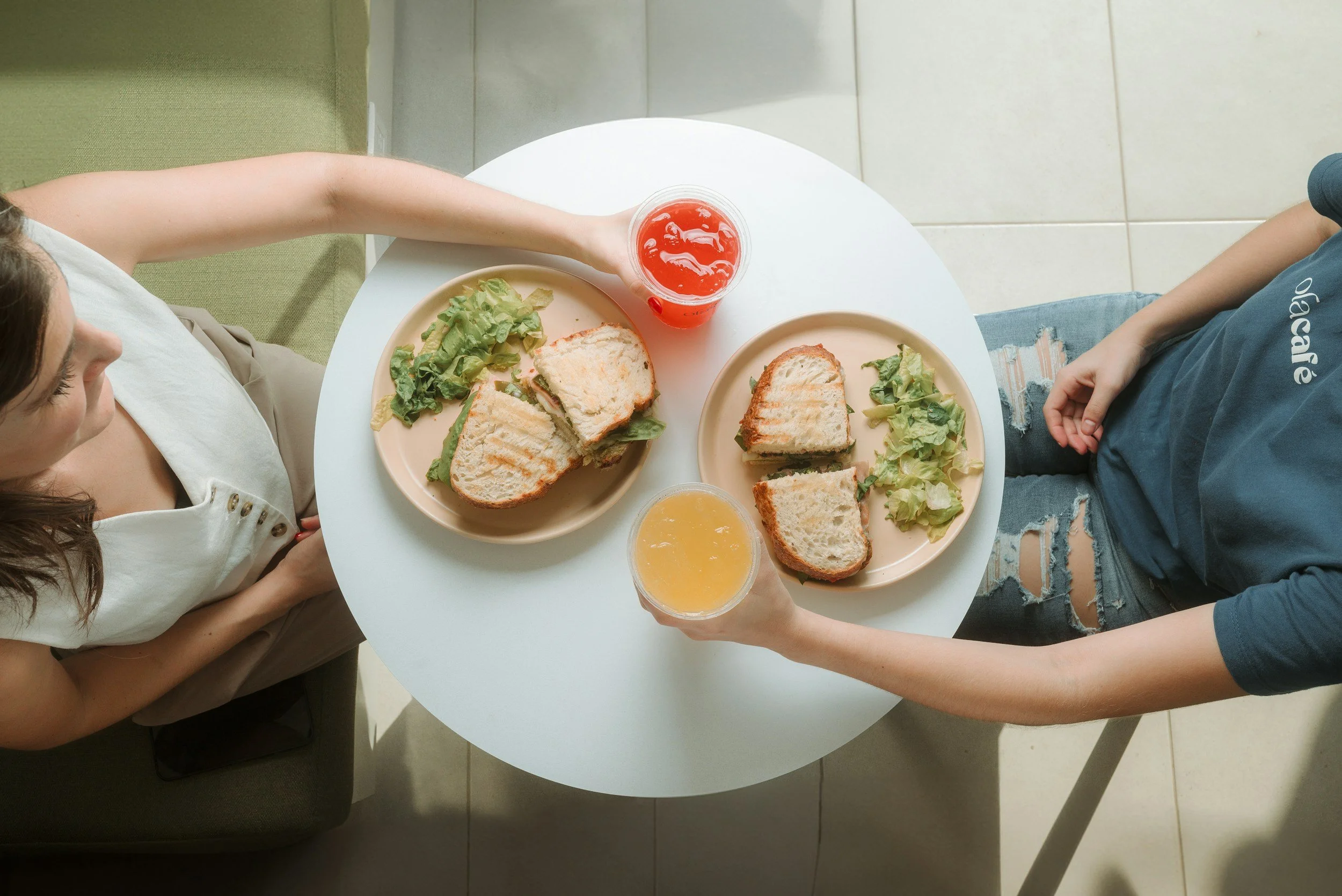
Photo by Alimentos Fotogénicos via Unsplash
The new year seems to have a tendency to put the pressure on — resolutions to change this, stop that, start the other thing. It can get a little loud and overwhelming, and sometimes it’s more helpful to start January by changing less than more.
If you want to start eating healthier without dieting, restriction, or starting over every Monday, this is a gentler place to begin. These ideas aren’t about “fixing” yourself, they’re about creating a steady change. They’re about supporting your health in ways that fits real life — the busy schedules, the days where you have low energy reserves, and all the days in between.
These ideas suggest more of a gentle reset rather than an overhaul. These are a few supportive shifts that can lead to lasting change.
1. Start By Adding — Not Restricting
When people think about “eating healthier,” the first instinct is often to cut things out. Sugar. Carbs. Snacks. Comfort foods.
While it’s true that decreasing these foods can be helpful, it can also seem very overwhelming to suddenly restrict yourself from all these foods all at once. And so often, it’s this kind of restriction that tends to backfire quite easily.
An often more effective approach is to focus on what you can add:
adding protein to meals
adding healthy fats
adding fruits or vegetables you actually enjoy
adding regular meals so you’re not running on empty
When your body feels more supported, choices often feel easier — not forced.
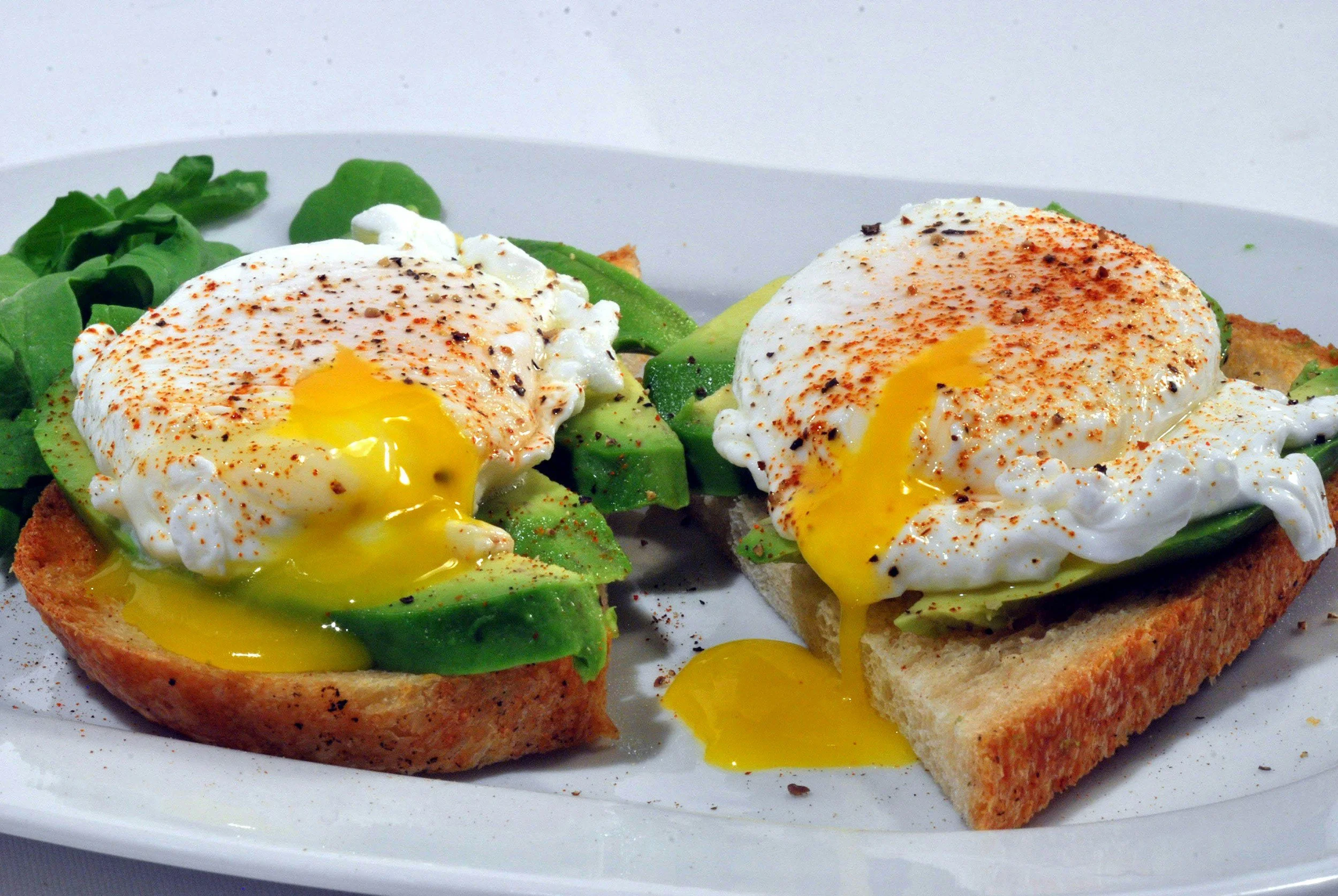
Photo by David B Townsend via Unsplash
2. Eat Regularly, Even When Meals Are Simple
Skipping meals may seem like a good idea, but it can actually work against you. Not eating regularly often leads to unstable blood sugar, low energy, intense hunger later — which can lead to less control over making good food choices later.
Eating regularly helps:
stabilize energy
stabilize blood sugar
support digestion
reduce the urge to “make up for it” later
Meals don’t need to be elaborate to count. A sandwich. Leftovers. Breakfast for dinner. A healthy snack. All of these are valid.
Consistency matters more than complexity.
3. Let “Balanced” Be Flexible
You don’t have to get it 100% “right” or 100% healthy at every meal, everyday.
Some days balance looks like:
a hearty dinner with carbs
an afternoon snack
frozen foods or takeout when time is tight
Balance happens over time, not at every single meal.
Letting go of perfection makes it easier to stay consistent — and consistency is where change really happens.
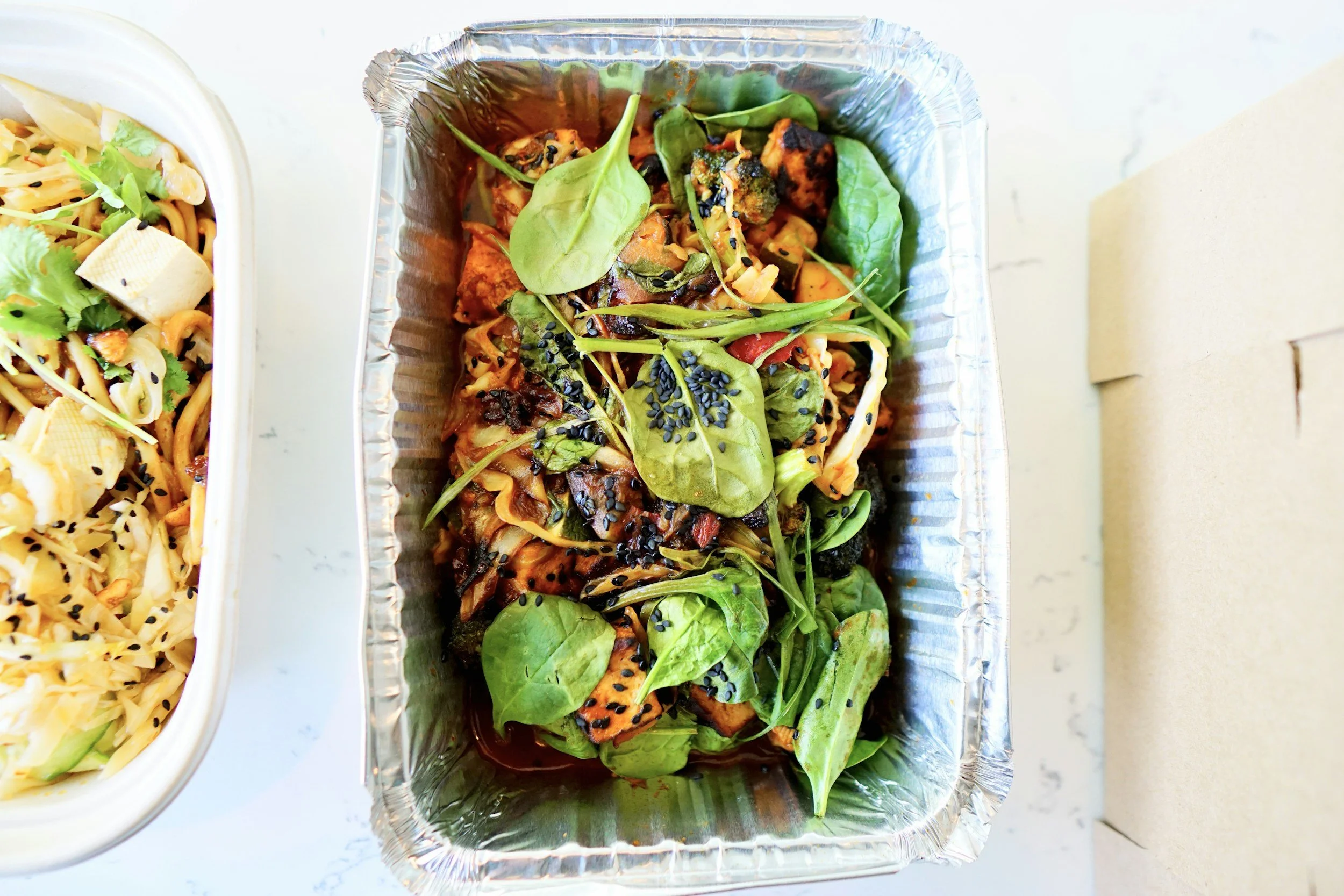
Photo by via Aveedibya Dey Unsplash
4. Choose Movement That Feels Supportive
With new resolutions often comes a new surge of ambition to begin exercise regimens, and this is great! But it’s important to remember that exercise doesn’t have to be all-or-nothing and that movement doesn’t have to be intense to be helpful.
If you love the intensity, that’s great — but if exercising is new for you, or you’re coming back to it after a long break, then there’s no pressure to jump into the intense workouts straight away. You can get there eventually, but sometimes the best start is to just start.
Supportive movement might look like:
walking
short at-home workouts
regularly taking a class at the gym
active stretching
or taking rest when your body needs it
The best kind of movement is the kind you don’t dread.
That’s what you’re most likely to return to — and that’s what builds momentum.

Photo by Jonathon Borba via Unsplash
5. Redefine What Progress Actually Means
Progress isn’t:
never missing a day
following a plan perfectly
starting over every time life gets busy
feeling stressed out by making healthy changes
Progress is:
coming back without guilt
making one supportive choice at a time
choosing steadiness over extremes
taking time to look back at your progress every so often
If you’ve tried rigid approaches before and they didn’t stick, that doesn’t mean you failed. It means they weren’t built for your real life.
Photo by Clay Banks via Unsplash
Put It Into Practice
If it helps to see what this gentle approach looks like in real life, I put together a free guide with a few simple meal templates you can come back to anytime.
They’re flexible, practical, and designed to support you — not control you.
👉 Download the free meal templates
A Final Thought…
Healthy change doesn’t have to be about overhauling your life.
It can be about choosing steadier ground — one meal, one habit, one day at a time.
If a gentler approach feels more supportive than strict rules, you’re not doing it wrong. You’re doing it realistically.
You’re doing better than you think.
Disclaimer: I am not a doctor, mental health provider, or a licensed dietician, and therefore this is not official licensed medical, clinical, or nutrition advice. These are things that I have implemented in my own life and utilized in my personal training, health coaching, and nutrition coaching practice after spending a substantial amount of time studying and practicing these techniques in fitness, habit change, and nutrition (still, I’m not a dietician). They are not meant to cure any ailment, and they are certainly not meant to serve as a replacement for any mental or medical healthcare treatment. It is important to always consult your own physician before beginning an exercise, mental health, nutrition or supplement program of any type.