

How to Build Balanced Meals Without Tracking Calories or Macros
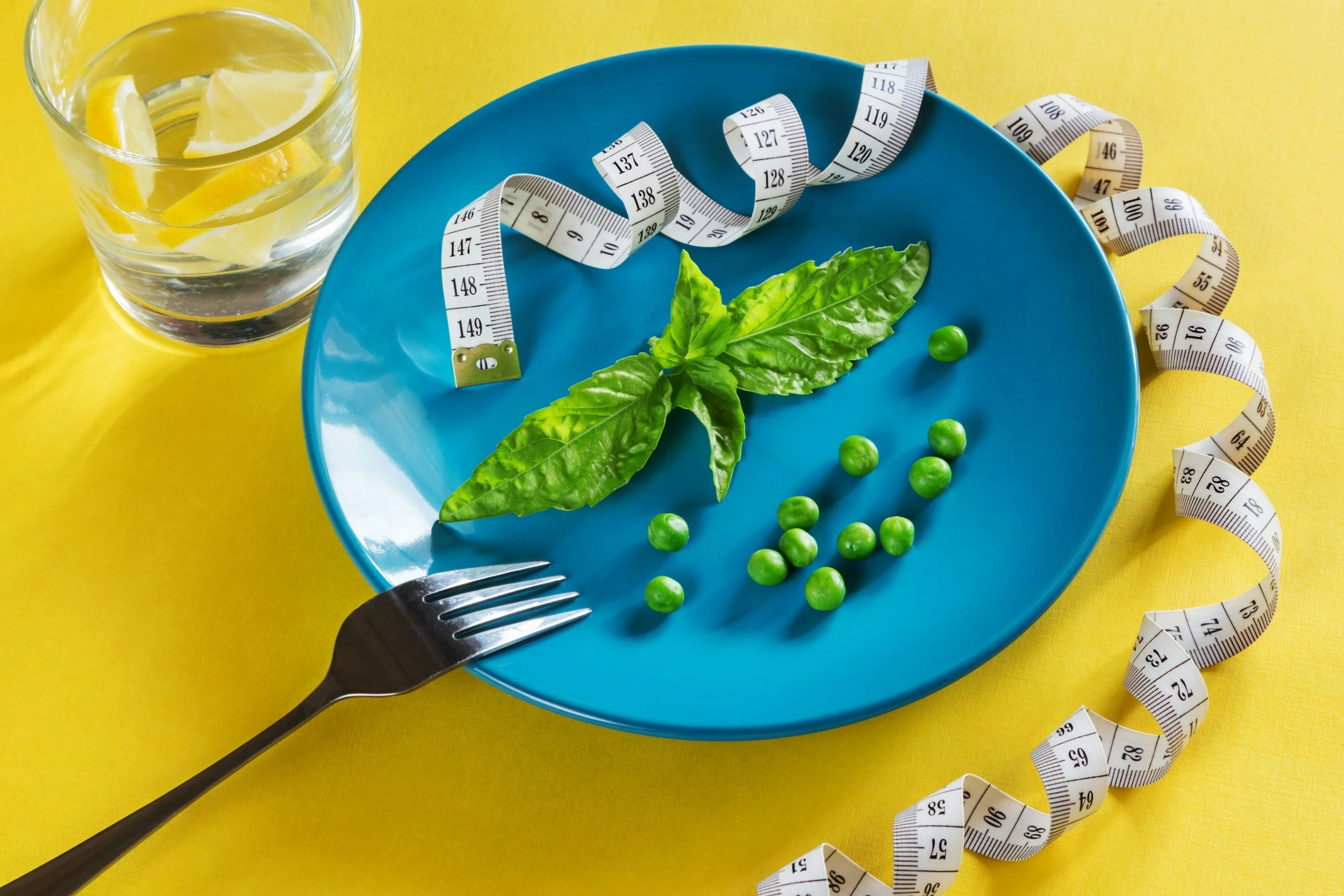
Photo by Elena Leya via Unsplash
If the idea of tracking calories or macros makes you immediately want to close the tab… I get it.
For a lot of people, tracking turns eating into math. It adds pressure. It makes meals feel like a test you can fail, and it’s not exactly helpful when you’re already trying to juggle real life.
The good news? You can eat in a way that supports your energy, your goals, and your health without tracking anything.
You just need a little structure, not strict rules.
This is one of my favorite ways to teach balanced eating because it’s:
realistic
flexible
“good enough” friendly
and easy to come back to, even after a rough week
Let’s break it down.
*If you’re short on time or feeling decision-fatigued, feel free to jump to the section you need most.
Jump to:
First: What “Balanced” Really Means (Without Diet Culture Weirdness)
Balanced doesn’t mean:
perfect meals
cutting carbs
eating clean 24/7
never having dessert
or feeling guilty every time you eat out
Balanced means your meals have enough of the stuff your body actually needs to feel good like:
protein (keeps you full + supports muscle)
fiber (digestion + steady energy)
healthy fats (hormones + satisfaction)
carbs (energy + sanity)
Balanced meals help you feel:
more stable energy
fewer cravings
less “snacky” all day
more satisfied after eating
Not because food is “good” or “bad”, but because your body likes consistency.
The Simplest Balanced Meal Formula (No Tracking Needed)

Photo by Amin Zabardast via Unsplash
If you want a reliable template, here it is:
A Balanced Plate =
Protein + Fiber + Healthy Fat + “Carb of choice”
And honestly? If you get protein + fiber in most meals, you’re already doing amazing.
Here’s how I think about it in real life:
1) Protein (the anchor)
Protein helps keep meals satisfying and reduces the “I’m hungry again in an hour” problem.
Easy options:
chicken, turkey, eggs
salmon or tuna
Greek yogurt, cottage cheese
tofu, tempeh, edamame (vegetarian options)
beans + lentils (a complete protein when combined with grains)
Goal: include some protein at every meal, even if it’s small.
2) Fiber (the steady energy piece)
Fiber helps blood sugar stay more stable, which means fewer energy crashes and cravings.
Fiber sources:
veggies (fresh, frozen, cooked, they all count)
fruit
beans and lentils (fiber + bonus protein)
whole grains
chia/flax, nuts and seeds
Goal: add at least 1 fiber source per meal.
3) Healthy fats (the satisfaction factor)
Fats help meals feel satisfying and keep you from feeling like you need “something else” right after you eat.
Easy options:
olive oil, avocado
nuts and nut butter
seeds
cheese
full-fat dressings and sauces (in normal amounts)
Goal: aim for a thumb-sized portion most of the time.
4) Carbs (yes, they belong here)
Carbs aren’t the enemy, they’re fuel.
And in my opinion, balanced eating is easier when carbs are included intentionally instead of feared or avoided.
Carb options:
rice, quinoa, oats
potatoes or sweet potatoes
whole grain bread, tortillas
pasta
fruit
Goal: choose carbs that help you feel energized not deprived.
What This Looks Like in Real Life (No Fancy Meals)
Balanced eating doesn’t require perfect meal prep. Here are easy “real life” examples:
🍳 Breakfast
eggs + toast + fruit
Greek yogurt + berries + granola + peanut butter
oatmeal + protein (Greek yogurt or peanut ‘powder’) + banana or berries (fresh or frozen)

Photo by Joseph Gonzalez via Unsplash
🥗 Lunch
leftovers + a side salad
turkey wrap + veggies + hummus
rice + beans + sautéed veggies + salsa
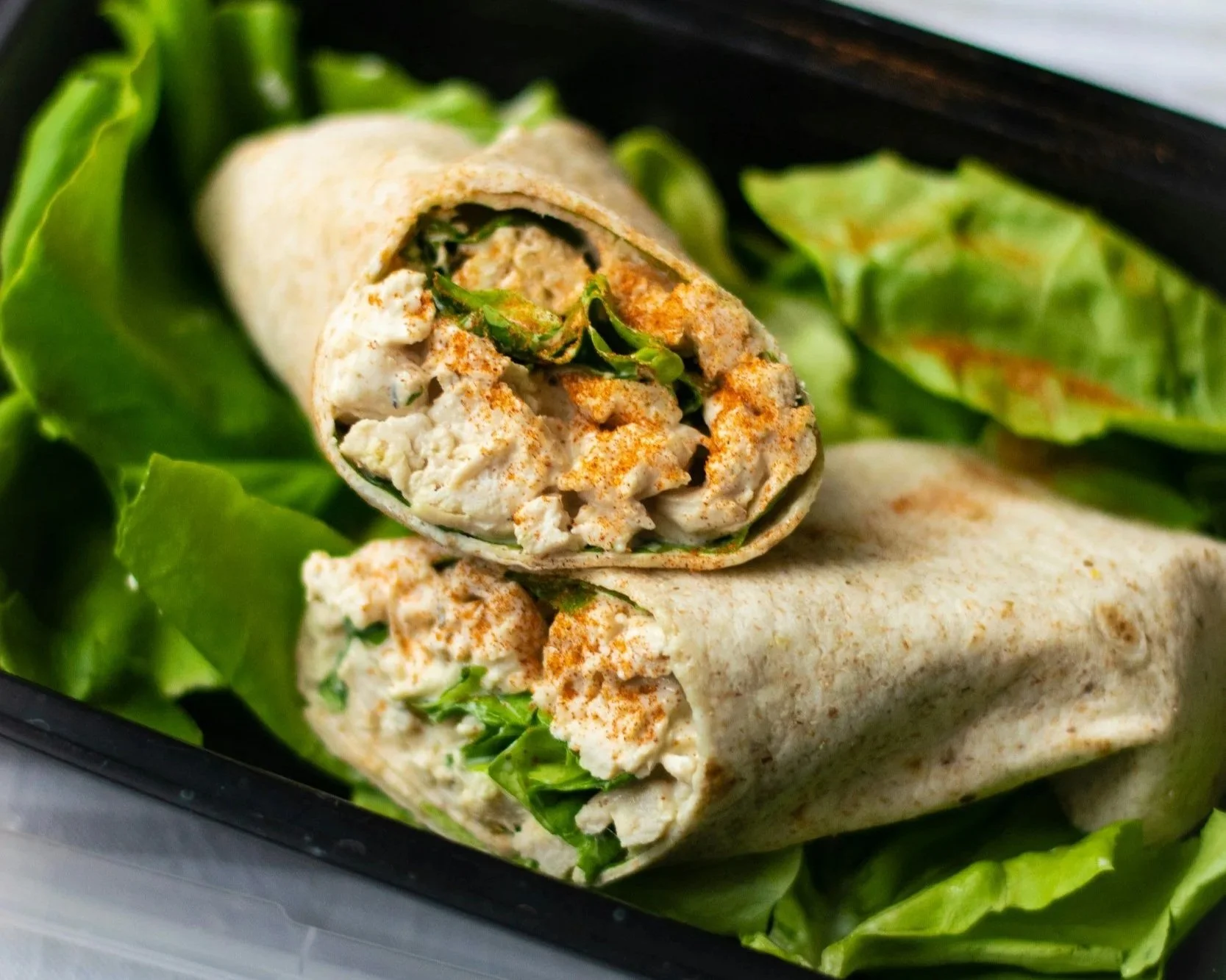
Photo by Leanna Myers via Unsplash
🍲 Dinner
sheet pan chicken + potatoes + broccoli
stir fry (protein + frozen veg + rice)
tacos (meat or beans + slaw + avocado)

Photo by Clem Onojeghuo via Unsplash
Snack (optional, but helpful)
If you’re snacking, aim for protein + fiber:
apple + peanut butter
Greek yogurt + berries
string cheese + nuts
hummus + carrots
How to Build Balanced Meals When You’re Tired (My Favorite Trick)
This is where people usually get stuck. Not because they don’t understand balance, but because they’re exhausted.
Here’s what I tell clients:
Balanced meals don’t have to be “made.” They can be “assembled.”
Think:
rotisserie chicken
microwave rice or quinoa (easier and quicker to cook than rice)
bagged salad
frozen veggies
canned beans
pre-cut fruit
A “good enough” meal can still be balanced.
Honestly, some of the healthiest seasons of life are the ones where you stop overcomplicating things.
What to Do If You’re Starting Over (Again)
If you’re feeling like you’ve been “off track,” here’s the calmest way to come back:
Focus on ONE meal per day.
Not the whole day. Not the whole week. Just one meal.
Pick:
breakfast or
dinner
And aim to include:
protein + fiber
That’s it.
This is how momentum actually gets built: calmly and consistenly.
Balanced Eating Isn’t Perfection - It’s a Return Point
The goal isn’t to eat perfectly forever.
The goal is to have a structure that helps you:
feel good
stay consistent
make food feel simpler
and stop relying on motivation
Balanced meals are a foundation you can return to - even after a rough day, even after a weekend out, even after a season of chaos.
And that kind of steadiness matters a lot more than any tracking app.
Want Help Putting This Into Practice?
If you want to make this even easier, I created a free guide with 5 Balanced Meal Templates you can use to build meals without tracking calories or macros.
It’s flexible, beginner-friendly, and designed for real life, not perfection.
Download the free 5 Balanced Meal Templates here
If you take anything from this post, let it be this:
You don’t need more rules. You need a steadier approach.
Balanced eating can be simple, and it can still be effective.
If you find value in this article, here are a few more you may enjoy:
Disclaimer: I am not a doctor, mental health provider, or a licensed dietician, and therefore this is not official licensed medical, clinical, or nutrition advice. These are things that I have implemented in my own life and utilized in my personal training, health coaching, and nutrition coaching practice after spending a substantial amount of time studying and practicing these techniques in fitness, habit change, and nutrition (still, I’m not a dietician). They are not meant to cure any ailment, and they are certainly not meant to serve as a replacement for any mental or medical healthcare treatment. It is important to always consult your own physician before beginning an exercise, mental health, nutrition or supplement program of any type.